The AI's Digital Diet: How an AI Actually Learns
We see AI do incredible things, like writing a poem in seconds or identifying a dog in a photo. But have you ever stopped to wonder how it gets so smart? An AI isn't born with knowledge; it has to learn, just like we do.
The secret to how an AI learns lies in what it's "fed." This "food" is called Training Data.
Think of a brand-new AI as an apprentice chef who has never cooked before. To teach them, you don't give them a rulebook. Instead, you give them a massive library of 100,000 different recipes and say, "Study these."
What is Training Data?
Training data is the huge collection of examples that developers show an AI to teach it about the world. The AI's entire understanding comes from this data.
- To teach an AI about cats, you show it millions of pictures labeled "cat."
- To teach an AI to write like Shakespeare, you have it read all of Shakespeare's plays and sonnets.
- To teach ChatGPT to answer questions, it was shown a gigantic portion of the text and books from the internet.
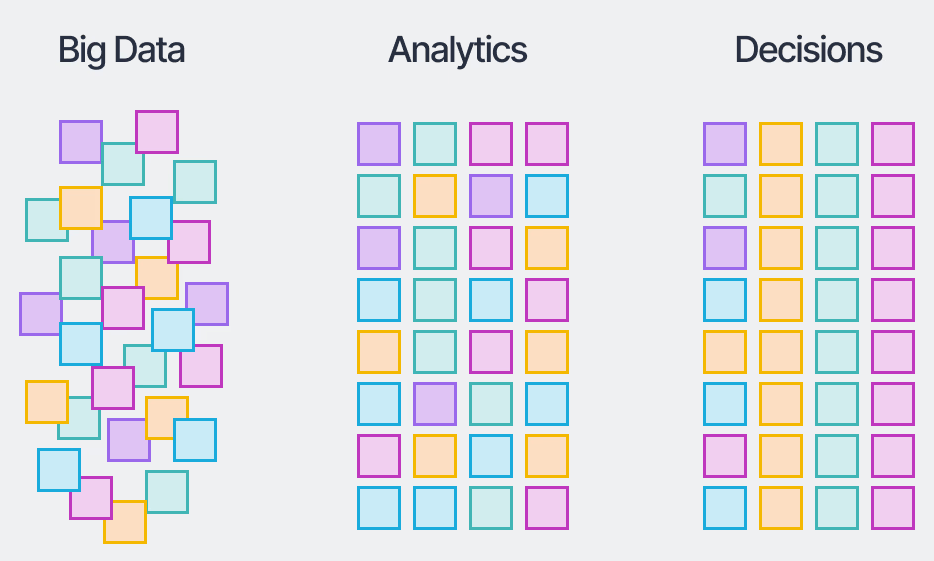
The AI is a powerful pattern-finding machine. By looking at all these examples, it starts to learn the rules and connections on its own.
The Three Steps of AI Learning
The learning process is a bit like how our apprentice chef would learn from the recipe library.
1. Show it Lots of Examples
First, the AI is exposed to its training data. The chef starts by reading thousands of recipes. They see that many Italian recipes include tomatoes, garlic, and basil. They notice that baking recipes always list flour and sugar. The AI does the same, but with data. It sees that pictures of cats often have pointy ears and whiskers.
2. Let it Find the Patterns
After seeing enough examples, the AI starts to build its own understanding. It creates a complex web of connections. The chef isn't just memorizing recipes anymore; they're starting to understand the idea of cooking. They learn that "salty" and "sweet" are opposites, and that frying is a different method from boiling. The AI learns that the word "happy" is more closely related to "joyful" than it is to "sad."
3. Test and Correct It
Finally, the AI is tested. Developers ask it questions or give it tasks. When it gets something right, it's rewarded (metaphorically). When it gets something wrong, it's corrected. This feedback helps it adjust its internal patterns to become more accurate. It’s like the chef trying to bake a cake. If it comes out too dry, they learn to use less flour next time. This trial-and-error, repeated millions of times, is what makes the AI so capable.
Why This Matters
Understanding that AI learns from data is the most important thing to know about this technology.
- It Explains AI Bias: If the chef's recipe books are all from France, they will be an expert in French food but will know nothing about Mexican food. Similarly, if an AI's training data is biased, the AI's results will be biased too.
- It Explains AI's Limitations: The AI only knows what it has been shown. It can't know about brand new events that happened after its training was finished. The chef doesn't know about a new ingredient that was just discovered.
- It's Not Magic, It's Math: AI isn't thinking or feeling. It's just an incredibly powerful pattern-matching system that learned from the examples we gave it.
So, the next time you use an AI, remember the massive digital diet it was fed. Its intelligence isn't magic—it's a reflection of the data that taught it everything it knows.